
Stroke Treatment & Neurological Care in Byculla, Mumbai
Timely Stroke Care. Dedicated Neurological Expertise.
A stroke occurs when blood flow to part of the brain is interrupted or when a blood vessel in the brain ruptures. Because stroke can cause permanent brain injury, recognizing the warning signs and seeking emergency medical care immediately is essential.
After the initial emergency treatment, patients may require neurological evaluation, prevention of another stroke, and rehabilitation for problems such as weakness, paralysis, speech difficulties, or changes in balance and coordination.
Dr. Sheetal Goyal, Neurologist in Byculla, provides neurological evaluation and ongoing care for patients recovering from stroke and those at risk of future cerebrovascular events. If you are looking for stroke treatment in Byculla, understanding the type of stroke and receiving appropriate medical care is an important part of the recovery and prevention process.
What Is a Stroke?
A stroke occurs when the blood supply to part of the brain is blocked or when a blood vessel in the brain bleeds. Brain cells can become damaged when they do not receive adequate oxygen and nutrients.
Stroke symptoms can develop suddenly and may include facial drooping, weakness or numbness of arm or leg, difficulty speaking, confusion, vision problems, dizziness, or difficulty walking.
Stroke is a medical emergency. Anyone experiencing sudden symptoms suggestive of stroke should seek emergency hospital care without delay.
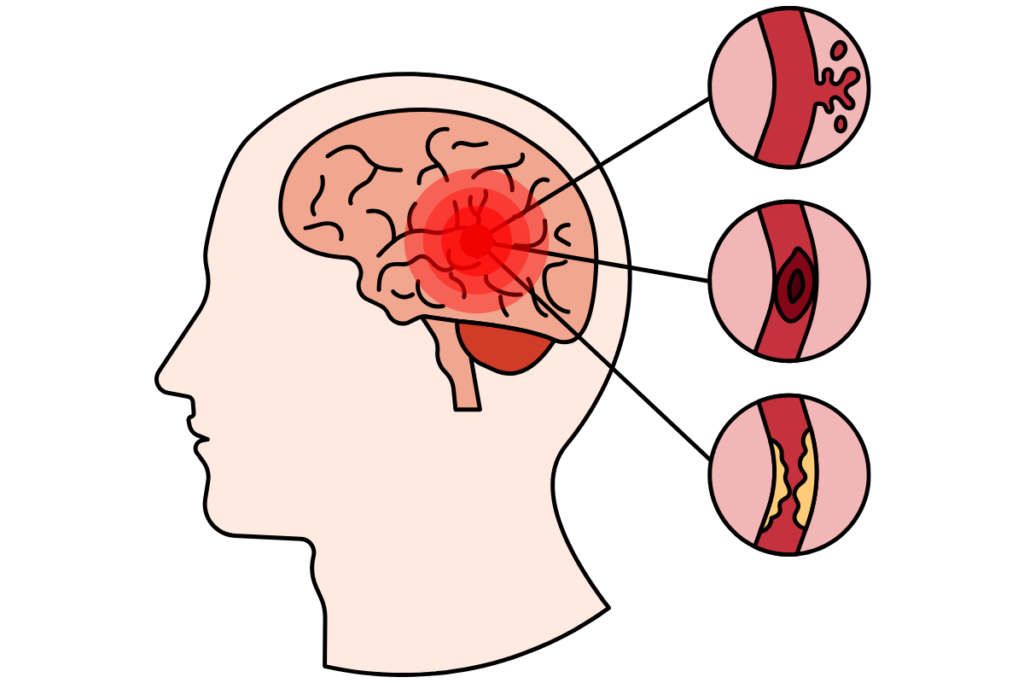
Types of Stroke Conditions
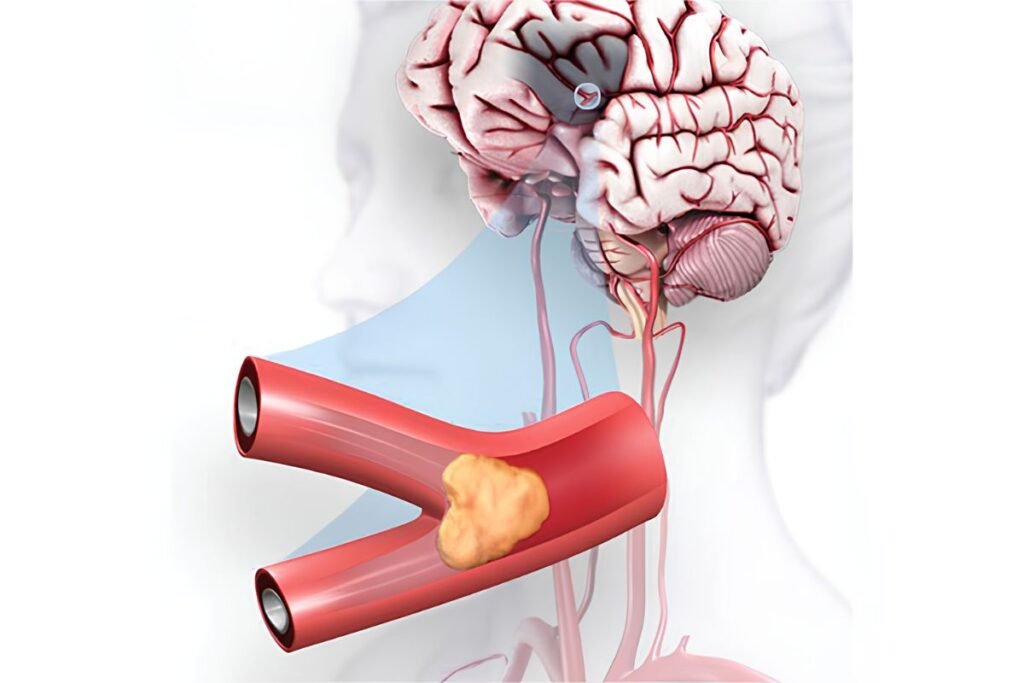
Ischemic Stroke
An ischemic stroke occurs when a blood vessel supplying the brain becomes blocked, often by a blood clot. It is the most common type of stroke.
Emergency treatment may include hospital-based therapies to restore blood flow when the patient meets appropriate medical criteria. Further neurological care focuses on identifying risk factors and reducing the risk of another stroke.
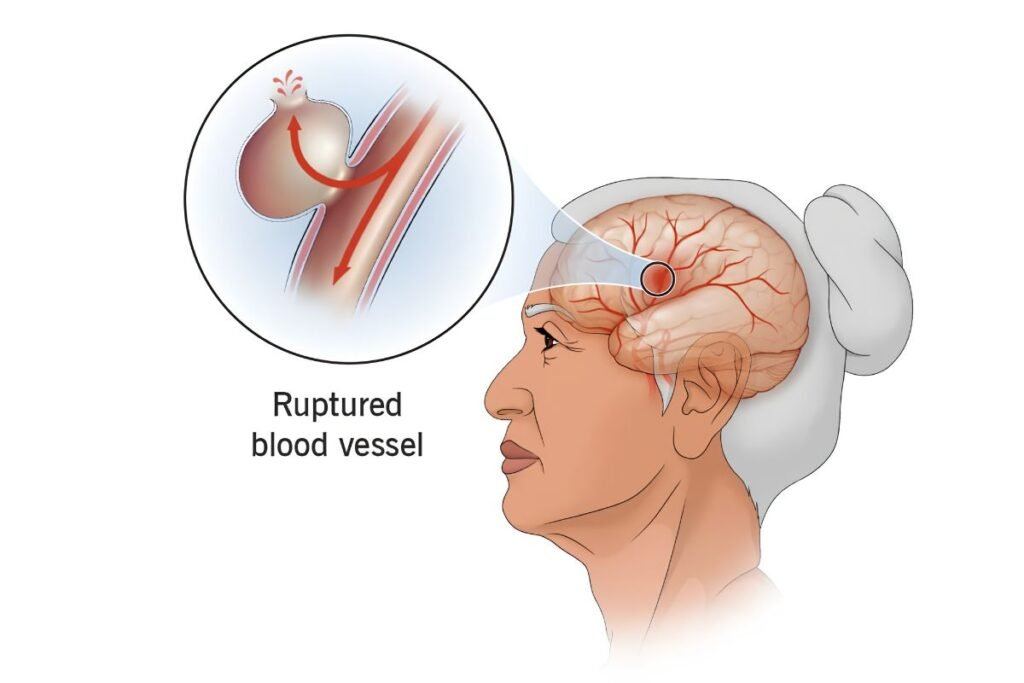
Hemorrhagic Stroke
A hemorrhagic stroke occurs when a blood vessel in the brain ruptures and causes bleeding. Depending on the location and severity of the bleeding, treatment may involve emergency neurological, neurosurgical, and intensive-care management.
Following the acute phase, patients may require neurological follow-up and rehabilitation.
Stroke Warning Signs
Recognizing stroke symptoms quickly can help reduce delays in emergency treatment.
Common warning signs include:
- Sudden weakness or numbness of the face, arm, or leg
- Drooping of one side of the face
- Sudden difficulty speaking or understanding speech
- Sudden vision problems
- Sudden dizziness or difficulty walking
- Loss of balance or coordination
- Sudden, severe headache, particularly with other neurological symptoms
If these symptoms appear suddenly, do not wait for a clinic appointment. Seek emergency medical care immediately.
Stroke Treatment in Byculla: Diagnosis & Evaluation
The appropriate approach to stroke treatment in Byculla depends on the type of stroke, the symptoms, when they began, and the patient’s overall medical condition.
During neurological follow-up, Dr. Sheetal Goyal, Neurologist in Byculla, may evaluate:
- Previous stroke and treatment history
- Blood pressure and vascular risk factors
- Diabetes and cholesterol-related risk
- Current neurological symptoms
- Medication history
- Weakness, coordination, balance, and other neurological problems
- Risk factors for recurrent stroke
Depending on the clinical situation, brain imaging, blood tests, vascular studies, cardiac evaluation, or other investigations may be required.
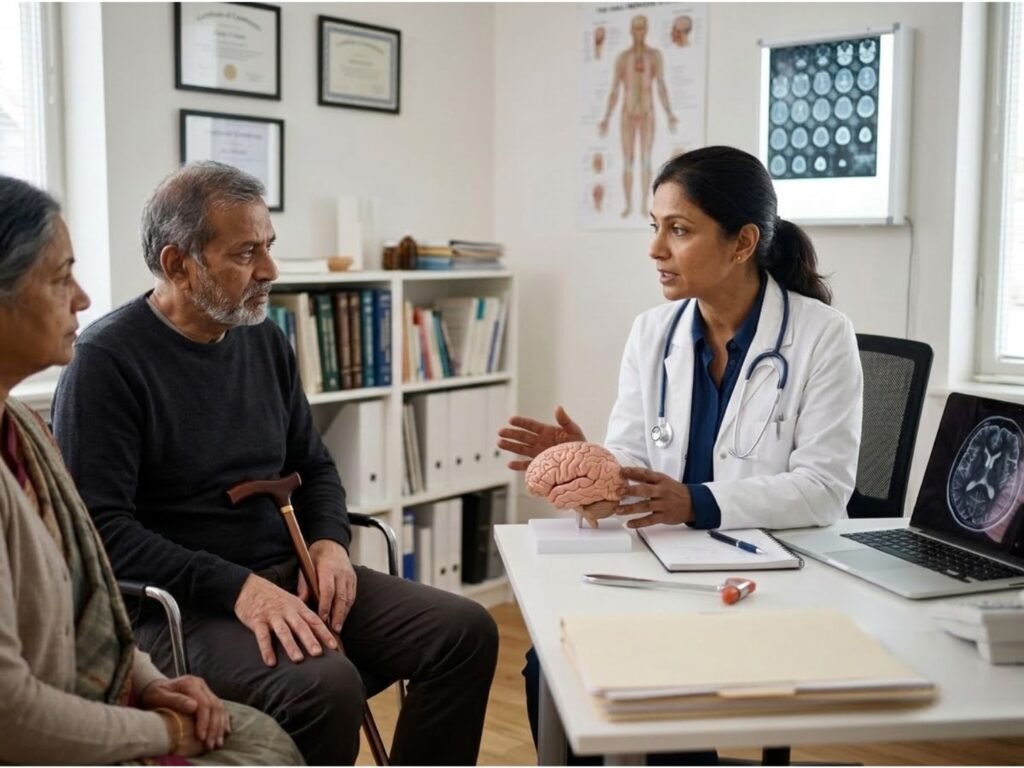
When Should You Consult a Stroke Specialist in Byculla?
Consulting a Stroke Specialist in Byculla may be appropriate for neurological follow-up after a stroke or TIA, particularly when there are ongoing symptoms or concerns about recurrent stroke.
Neurological evaluation may be recommended for:
- Previous ischemic or hemorrhagic stroke
- History of TIA
- Persistent weakness or paralysis
- Balance or walking difficulties after stroke
- Speech or swallowing problems
- Recurrent neurological symptoms
- Management of stroke risk factors
- Long-term stroke prevention and follow-up
However, new or sudden stroke symptoms require emergency hospital evaluation rather than waiting for a routine consultation.
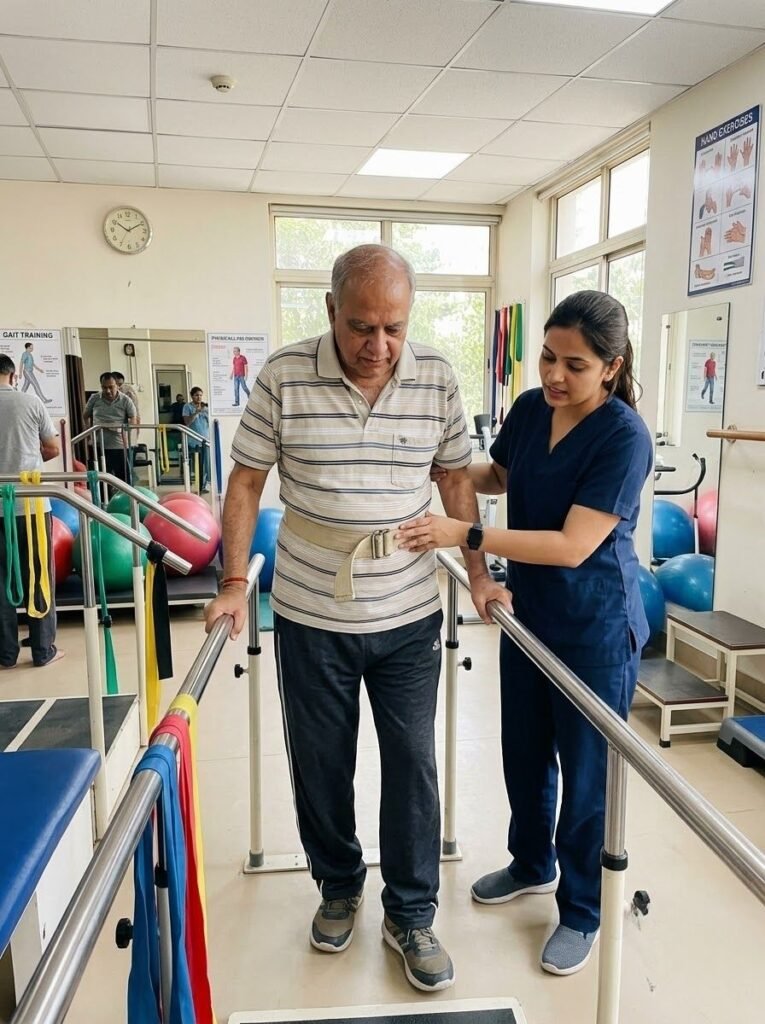
Stroke Rehabilitation and Neurological Care
Recovery after a stroke can take time and may continue for months or longer. Rehabilitation is often an important part of helping patients regain mobility, independence, communication skills, and everyday functioning.
The rehabilitation plan may include:
- Physiotherapy for strength and mobility
- Occupational therapy for daily activities
- Speech and language therapy
- Balance and coordination exercises
- Swallowing assessment and management
- Support for cognitive difficulties
- Regular neurological monitoring
A coordinated approach between the neurologist, rehabilitation professionals, and other healthcare specialists may be required depending on the patient’s needs.
When Should You Consult a Stroke Specialist in Byculla?
Consulting a Stroke Specialist in Byculla may be appropriate for neurological follow-up after a stroke or TIA, particularly when there are ongoing symptoms or concerns about recurrent stroke.
Neurological evaluation may be recommended for:
- Previous ischemic or hemorrhagic stroke
- History of TIA
- Persistent weakness or paralysis
- Balance or walking difficulties after stroke
- Speech or swallowing problems
- Recurrent neurological symptoms
- Management of stroke risk factors
- Long-term stroke prevention and follow-up
However, new or sudden stroke symptoms require emergency hospital evaluation rather than waiting for a routine consultation.
Consult Dr. Sheetal Goyal for Neurological Care in Byculla
Stroke requires timely emergency care, followed by appropriate neurological evaluation, prevention, and rehabilitation when needed.
Dr. Sheetal Goyal, Neurologist in Byculla, provides neurological evaluation and ongoing care for patients with previous stroke, TIA, post-stroke neurological problems, and weakness or paralysis following stroke.
If you are searching for stroke treatment in Byculla, consult a qualified neurologist for appropriate evaluation and individualized neurological care.
