Botox Treatment for Neurological Conditions in Byculla, Mumbai
Advanced Botox Therapy for Chronic Migraine, Muscle Spasms, Dystonia and Neurological Movement Disorders
Living with chronic migraines, involuntary muscle contractions, facial spasms or neurological movement disorders can significantly affect everyday activities and quality of life. When conventional treatments do not provide adequate symptom relief, Botox injections may be considered for certain neurological conditions.
If you are looking for Botox Treatment in Byculla, Dr. Sheetal Goyal, an experienced Neurologist in Byculla, Mumbai, provides neurological evaluation and guidance for patients experiencing chronic migraines, movement disorders, muscle spasms and other neurological symptoms.
Botulinum toxin injections are used in several neurological conditions to help relax overactive muscles or reduce specific nerve-related symptoms. Treatment suitability depends on the diagnosis, medical history and individual patient needs.
Conditions That May Benefit From Deep Brain Stimulation
Botox injections help manage various neurological conditions by reducing involuntary muscle contractions, controlling spasms and preventing chronic migraines.
Botox for Chronic Migraine
Botox for Migraine in Mumbai may help adults experiencing frequent chronic migraines by reducing headache frequency and improving daily functioning.
Benefits:
- Reduces migraine and headache days.
- Helps improve quality of life.
- Provides preventive migraine management.

Botox for Facial and Eyelid Spasms
Botox injections help relax overactive facial muscles and control involuntary movements.
- Hemifacial Spasm: Reduces involuntary twitching on one side of the face.
- Blepharospasm: Helps control excessive blinking and involuntary eyelid closure.
Benefits: Improved muscle control, reduced spasms and better daily comfort.

Botox for Dystonia
Botox for Dystonia helps reduce involuntary muscle contractions and abnormal movements in selected patients.
- Cervical Dystonia: Reduces painful neck spasms and abnormal head movements.
- Lingual Dystonia: May help control involuntary tongue movements affecting speech and swallowing.
- Focal Dystonia: Relaxes overactive muscles in specific body areas.
- Writer’s Cramp: May reduce involuntary hand contractions during writing.
- Truncal Dystonia: May help manage abnormal twisting or bending of the torso.
Benefits: Reduced muscle stiffness, improved movement control and greater comfort.

Botox for Muscle Spasticity
Botox injections help manage post-stroke spasticity by reducing excessive muscle tightness in the arms, hands or legs.
Benefits:
- Reduces muscle stiffness and spasms.
- Improves comfort and limb positioning.
- Supports physiotherapy and rehabilitation.

Other Selected Applications of Botox Treatment
Botox may also be used for certain medical conditions beyond movement disorders.
- Overactive Bladder: Helps reduce urinary urgency and urge incontinence.
- Hypersalivation: Reduces excessive saliva production.
- Excessive Sweating: Helps control severe sweating by blocking signals to sweat glands.
- Postherpetic Neuralgia: May help relieve persistent nerve pain following shingles in selected patients.

Who May Benefit From Botox Treatment?
Botox therapy may be considered for patients experiencing neurological symptoms that remain troublesome despite appropriate conventional treatment.
You may benefit from a specialist evaluation if you experience:
- Frequent chronic migraine headaches affecting daily activities.
- Persistent facial twitching or involuntary eyelid closure.
- Painful neck contractions or abnormal head postures.
- Involuntary muscle movements associated with dystonia.
- Post-stroke muscle stiffness affecting comfort or rehabilitation.
- Certain other medical symptoms for which botulinum toxin therapy may be appropriate.
Not everyone is a suitable candidate for botulinum toxin injections. Treatment decisions depend on the diagnosis, symptom severity, medical history, medications and individual risk factors.
How Is Neurological Botox Treatment Performed?
Botox treatment is generally performed as an outpatient procedure by a qualified medical professional with appropriate expertise.
STEP 1
Neurological Consultation
The doctor reviews your symptoms, medical history, previous treatments and current medications.
A neurological examination helps identify the affected muscles or determine whether Botox is appropriate for your condition.
STEP 2
Treatment Planning
The injection sites and dosage are selected according to the diagnosis, target muscles and treatment goals.
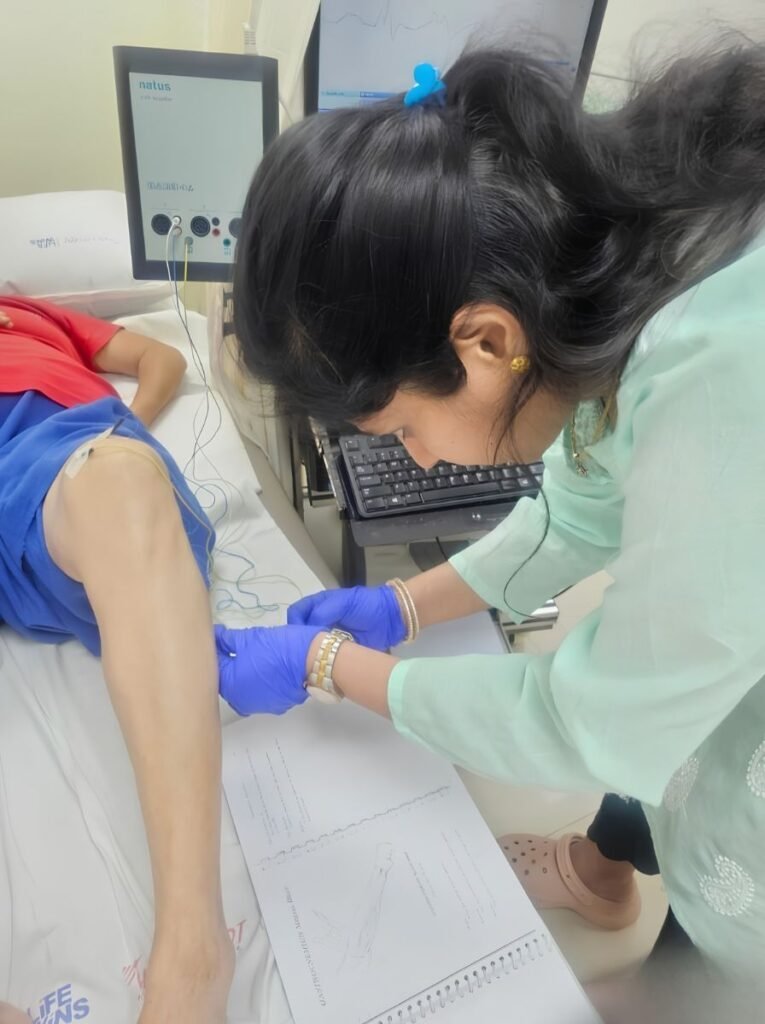
For certain muscle disorders, ultrasound or electromyography guidance may be used to improve injection accuracy.
STEP 3
Botox Injections
Small quantities of botulinum toxin are injected into carefully selected muscles or other target tissues using a fine needle.
The number of injections varies depending on the medical condition and treatment area.
STEP 4
Follow-Up & Monitoring
After treatment, patients are advised about possible side effects, expected symptom improvement and follow-up requirements.
Repeat injections may be recommended when clinically appropriate.
Botox Treatment Consultation in Byculla, Mumbai
If chronic migraine, facial spasms, dystonia or muscle stiffness is affecting your daily life, a detailed neurological evaluation can help identify appropriate treatment options.
Dr. Sheetal Goyal, a Senior Consultant Neurologist with over 15 years of experience, provides neurological consultations for patients experiencing movement disorders, chronic headaches, muscle spasms and other neurological conditions.
Patients exploring Botox Treatment in Byculla can consult Dr. Sheetal Goyal for assessment, diagnosis and guidance regarding suitable neurological treatment approaches.
A consultation may involve reviewing previous treatments, assessing symptom severity and discussing whether botulinum toxin injections or another treatment option may be appropriate.