Deep Brain Stimulation Surgery in Byculla, Mumbai
Advanced Treatment Guidance for Parkinson’s Disease, Tremors & Movement Disorders
Living with uncontrolled tremors, muscle stiffness, involuntary movements or other neurological symptoms can significantly affect everyday activities and quality of life. When medications alone do not provide adequate symptom control, advanced treatment options such as Deep Brain Stimulation (DBS) may be considered for selected patients.
If you are exploring Deep Brain Stimulation in Byculla, Dr. Sheetal Goyal, an experienced Neurologist in Byculla, Mumbai, provides neurological evaluation and guidance to help patients understand their condition and available treatment options.
What Is Deep Brain Stimulation?
Deep Brain Stimulation (DBS) is an advanced neurosurgical treatment that uses a surgically implanted medical device to deliver controlled electrical impulses to specific areas of the brain involved in movement and other neurological functions.
The procedure involves placing thin electrodes in carefully selected brain regions. These electrodes are connected to a small pulse generator, usually implanted beneath the skin near the chest. The device sends electrical signals that help regulate abnormal brain activity associated with certain neurological conditions.
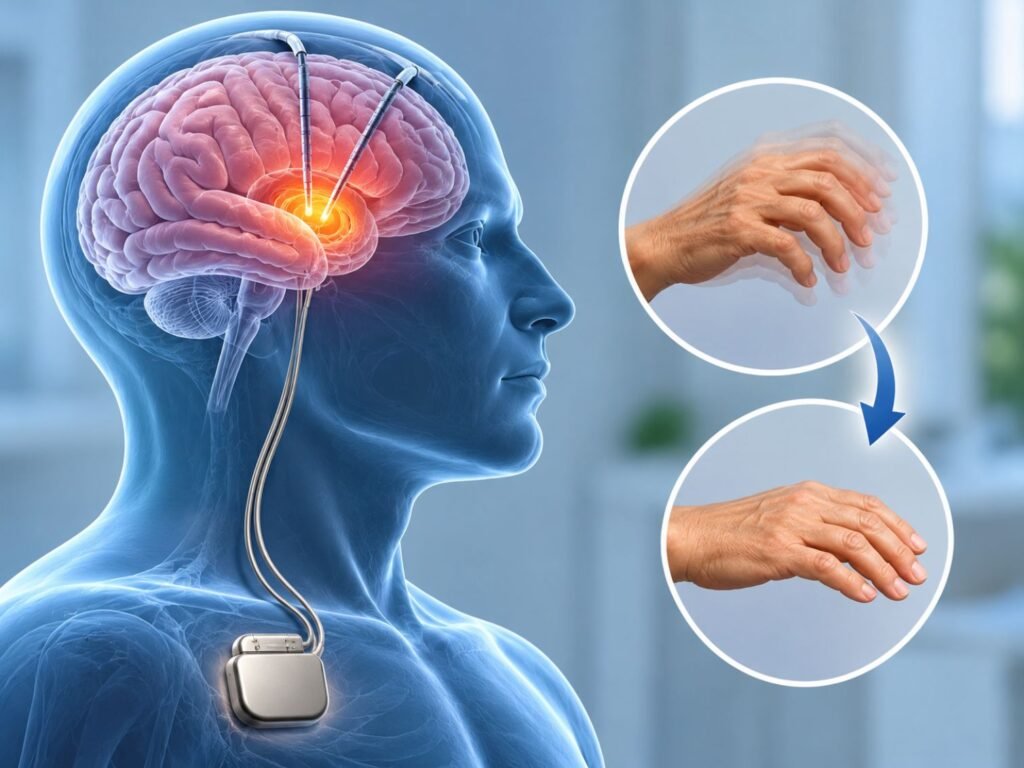
DBS does not cure the underlying neurological disorder. However, in appropriately selected patients, it may help reduce symptoms, improve movement control and support better daily functioning.
Patients considering DBS Treatment in Mumbai generally undergo detailed neurological assessments to determine whether the procedure is appropriate for their condition.
Conditions That May Benefit From Deep Brain Stimulation
Deep Brain Stimulation is used for certain movement disorders and may be considered for selected patients with other neurological or psychiatric conditions when standard treatments have not provided sufficient relief.
DBS for Essential Tremor and Other Tremors
Essential tremor is a neurological movement disorder that causes involuntary shaking, commonly affecting the hands, arms, head or voice.
Severe tremors can interfere with everyday activities such as writing, eating, drinking and holding objects.
DBS for Tremors may be considered when symptoms significantly affect daily life and medications do not provide sufficient improvement.
Potential benefits include:
- Reduced severity of certain tremors.
- Improved hand control and coordination.
- Greater independence in routine activities.
- Better functional ability in appropriately selected patients.
Not every type of tremor responds equally to DBS. A neurological assessment helps identify the cause of the tremor and determine suitable treatment options.

DBS for Epilepsy
Epilepsy is a neurological condition characterised by recurrent seizures caused by abnormal electrical activity in the brain.
Some individuals continue to experience seizures despite taking appropriately selected anti-seizure medications.
For certain patients with drug-resistant epilepsy, DBS may be considered as part of an advanced treatment plan.
DBS for Epilepsy aims to reduce seizure frequency by modulating activity within specific brain networks.
The treatment may:
- Reduce seizure frequency in selected patients.
- Support improved seizure management.
- Help patients whose seizures remain uncontrolled despite appropriate medications.
DBS is not suitable for every patient with epilepsy. A comprehensive evaluation at a specialised epilepsy centre is essential to assess treatment eligibility and compare available options.
DBS for Dystonia
Dystonia is a neurological movement disorder characterised by involuntary muscle contractions that may cause twisting movements, repetitive motions or abnormal body postures.
It can affect the neck, arms, legs or other parts of the body.
DBS for Dystonia may be an option for selected patients with severe symptoms that have not responded adequately to medication, botulinum toxin injections or other appropriate treatments.
DBS may help:
- Reduce involuntary muscle contractions.
- Improve abnormal postures and movements.
- Support better mobility and physical functioning.
- Reduce disability associated with certain forms of dystonia.
Treatment response varies depending on the type and underlying cause of dystonia. Improvement may develop gradually over several weeks or months following DBS programming.

DBS for Severe OCD
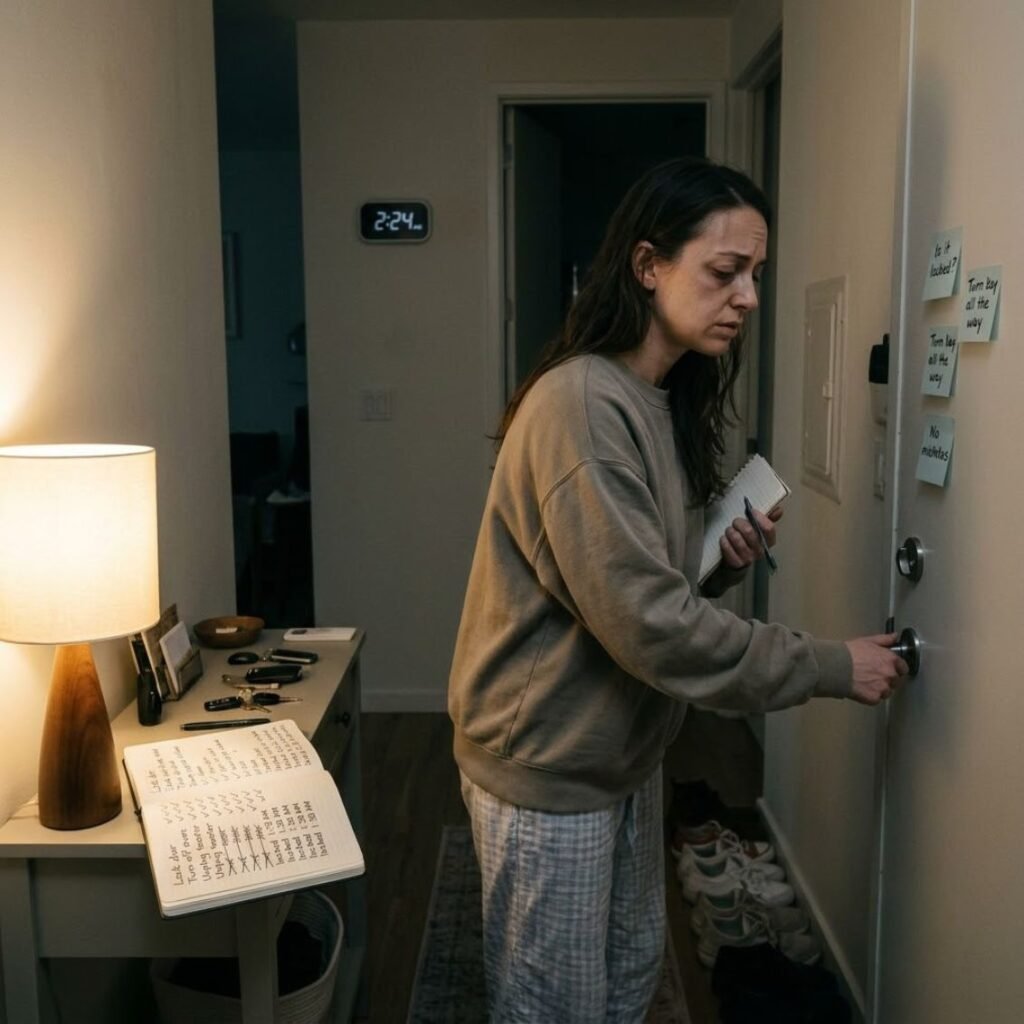
Obsessive-Compulsive Disorder (OCD) is a mental health condition involving persistent intrusive thoughts and repetitive behaviours that can significantly interfere with daily life.
In rare cases of severe, treatment-resistant OCD, Deep Brain Stimulation may be considered after established treatments have been unsuccessful.
DBS for severe OCD is a highly specialised intervention that requires careful assessment by a multidisciplinary team, including psychiatric and neurosurgical specialists.
Its availability and regulatory status vary by location. It is not a routine or first-line treatment for OCD.
Benefits & Risks of Deep Brain Stimulation Surgery
Deep Brain Stimulation can offer meaningful symptom improvement for certain patients, but it is important to understand both its potential benefits and limitations.
Potential Benefits of DBS
- Reduced tremors and muscle stiffness
- Improved control of certain movement symptoms
- Fewer motor fluctuations
- Reduced involuntary movements
- Improved ability to perform everyday activities
- Possible reduction in some Parkinson's medications under medical supervision
Important: DBS does not cure Parkinson’s disease or stop its progression. Its primary purpose is to help manage specific symptoms.
Risks and Limitations of DBS
As DBS involves brain surgery and an implanted medical device, it carries potential risks, including:
- Infection or bleeding associated with surgery.
- Stroke or other neurological complications.
- Speech, balance, mood or cognitive changes in some patients.
- Device-related problems or stimulation side effects.
- The need for regular device programming, monitoring and possible battery replacement.

Who Is a Suitable Candidate for DBS Surgery?
A patient may be considered for DBS when:
- A confirmed neurological diagnosis supports DBS treatment
- Symptoms significantly affect daily activities
- Appropriate medication treatment has not provided sufficient control
- The patient is medically suitable for surgery
- Cognitive and psychological evaluations support proceeding with treatment
- Eligibility depends on the individual condition and requires multidisciplinary assessment.
- Deep Brain Stimulation Surgery in Byculla: Why Neurological Evaluation Matters
Before undergoing Deep Brain Stimulation Surgery in Byculla, patients need a comprehensive assessment to understand whether DBS is appropriate for their condition.
Dr. Sheetal Goyal provides neurological consultation for movement disorders, including Parkinson’s disease and tremors, at Goyals Advanced Neurology, Kidney Stone and Laser Clinic.
Neurological evaluation can help patients understand their symptoms, review medication effectiveness, and determine whether referral to a specialist DBS surgical team is appropriate.
DBS Consultation in Byculla, Mumbai
If you or a family member is experiencing persistent tremors, Parkinson’s symptoms, dystonia or other difficult-to-control neurological symptoms, consulting an experienced neurologist can help clarify the diagnosis and available treatment options.
Dr. Sheetal Goyal, a Senior Consultant Neurologist with over 15 years of experience, provides neurological consultations for patients seeking evaluation and guidance regarding advanced treatment options, including Deep Brain Stimulation in Byculla.
